In a world where news and information are at people’s fingertips, consumers can check the news faster than ever before. But how much do they actually pay attention to the things going on in the world?
According to the Pew Research Center, 15% of people ages 18-29 say they follow the news most or all of the time, compared to people ages 65+, who follow the news 65% of the time.
“I check the news about once a week just to make sure I’m staying updated and not behind,” said junior Simeon Brown. “I would say I think I probably read news articles more than most of the people my age I know, but not as much as the adults in my life.”
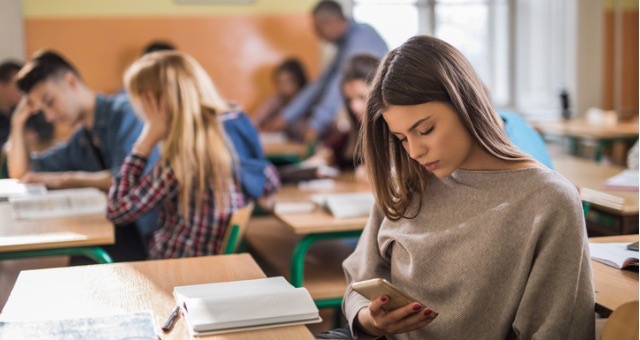
The Pew Research Center also discusses the primary sources where people consume their news. Young adults get their news from social media 76% of the time, in comparison to just 28% for the older generation.
“I typically initially get my news from social media apps like TikTok and Instagram from news accounts and influencers,” said senior Lucas Chesebrough. “If the news is an important topic, then I often go to reliable websites and professional research so I can form a more reliable opinion.”
While students may rely on social media for quick updates, some students said they still seek professional journalism for more reliable information.
“I usually use the New York Times or the Washington Post for my news, because to me, they have the least amount of bias,” said Brown. “That’s important to me when I am checking news.”
Students listed multiple reasons why they feel it is important to check the news and the impact it has on them. While each student gave a different perspective, many agreed that staying informed plays an important role in helping them better understand what is happening around them.
“It is important for teens to keep up with current events because you never know if something that happened could affect you,” said freshman Allison Williams. “If you have proper knowledge of what is going on, it better helps prepare you for what to do next.”
Brown said that staying informed through the news can lead to more critical thinking for young people.
“I think it’s extremely important for teenagers to stay updated on current events for the most part to make sure they are prepared for the future and what their world has in store for them, but also so they can conceptualize their own beliefs and opinions,” said Brown. “I think reading articles from great unbiased sources can combat the amount of misinformation internalized and reduce confirmation bias.”
Although many students consume news differently than older generations and each other, students said staying informed remains important in helping them understand the world around them. Through engaging with the news, many young adults are finding new ways to stay connected to current events and form their own opinions on important issues.