If you thought next school year was going to be a breeze, think again. Recently, the new bell-to-bell cellphone ban in Indiana schools has been signed and put into effect for the 2026-2027 school year. The law is enforcing that no phones be out and used during any class time, including in the hallways and at lunch. This law is made to limit cellphone use and improve students’ focus in class, but this could create more problems rather than solving them. While the goal does make sense, completely banning phones all day may lead to more conflict, less trust and new challenges in schools.
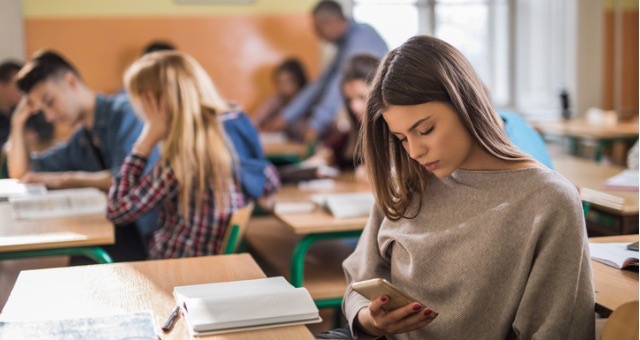
One issue is that students will likely try to get around the rule instead of following it. Brookings Institution says that many teens still and will use their phones during school even when they are not allowed, which means bans do not fully stop the problem. Instead, students may hide their phones and focus more on not getting caught rather than on learning. Now this does not sound like anything out of the ordinary, but this problem could increase more because of the ban.
Another problem is that strict rules can cause conflict. Teachers will have to spend more time enforcing the ban, which could lead to frequent arguments and take away from class time. In Indiana Capital Chronicle, it says that even Indiana lawmakers have raised concerns about how difficult it will be to enforce a full ban and how it might affect discipline. This ban could be more of a distraction than a blessing. It will require teachers to “helicopter parent” students about their phones.
This ban also ignores real life situations. Students often need their phones to contact parents, deal with schedule changes, etc. There are also safety concerns, since phones can be important during emergencies. For example, if there is a lockdown or a potential fire, are students supposed to not touch their phones? These are the questions that people will ask when reading the guidelines for this law. So, taking away phones, all day may not be realistic.
Finally, the policy does not help students with responsibility. In real life, phones are not banned; you are just expected to know how to manage them and your time. Brookings Institution says that strict bans do not prepare students for the real world. Even though phones can be distracting, Pew Research says that about 70% of teachers have said phones are a major problem but banning them completely does not always improve academic results.
Overall, the cellphone ban may have good intentions, but it could create more problems than it solves. A more balanced approach would help students stay focused while also learning how to use their phone more responsibly. This bell-to-bell ban is not going to go the way certain people want it to go; it is either going to improve schools and the education for the students, or it could create more problems. I think it is going to create more conflict.