Auxiliary instruments refer to the extreme or lesser-known extensions of standard wind instrument families such as flute, clarinet and saxophone. While a handful of these instruments are inefficient prototypes that will never see a role in sheet music, many of them are showcased for their unique sound and tonal characteristics.
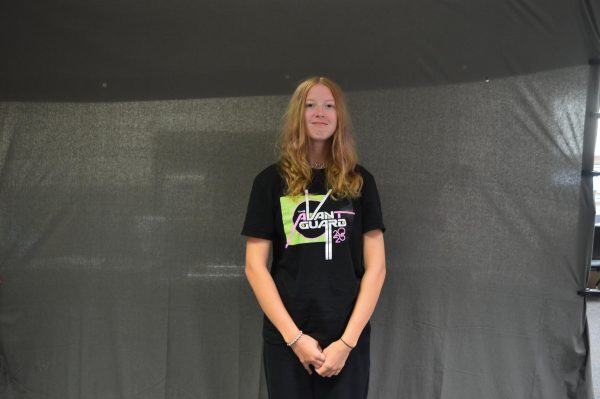
Senior Aubrey Day plays the piccolo, which is an octave higher than a flute, and about half the size. She was the only piccolo marcher in the Fishers Marching Tiger Band this season.
“It’s really weird because I’m not used to being heard on the field when I played flute, but this year you can hear me from the press box, and I think that’s pretty special, but it’s also stressful,” Day said.
She also plays piccolo in Wind Ensemble, the top band class at Fishers. Many musical pieces have piccolo parts; the Wind Ensemble typically has only one person on piccolo. According to Day, Piccolo is a very delicate instrument to play.
“It’s really hard to tune, if you make a slight adjustment, it can go from being forty cents sharp to forty cents flat with just a tiny change,” she said.
Being sharp refers to playing too high above the desired pitch while being flat is being too low from the pitch, often very slightly, but it may affect projection in playing. Adjusting the length of the instrument can slightly alter the pitch, which is how woodwind instruments are tuned.
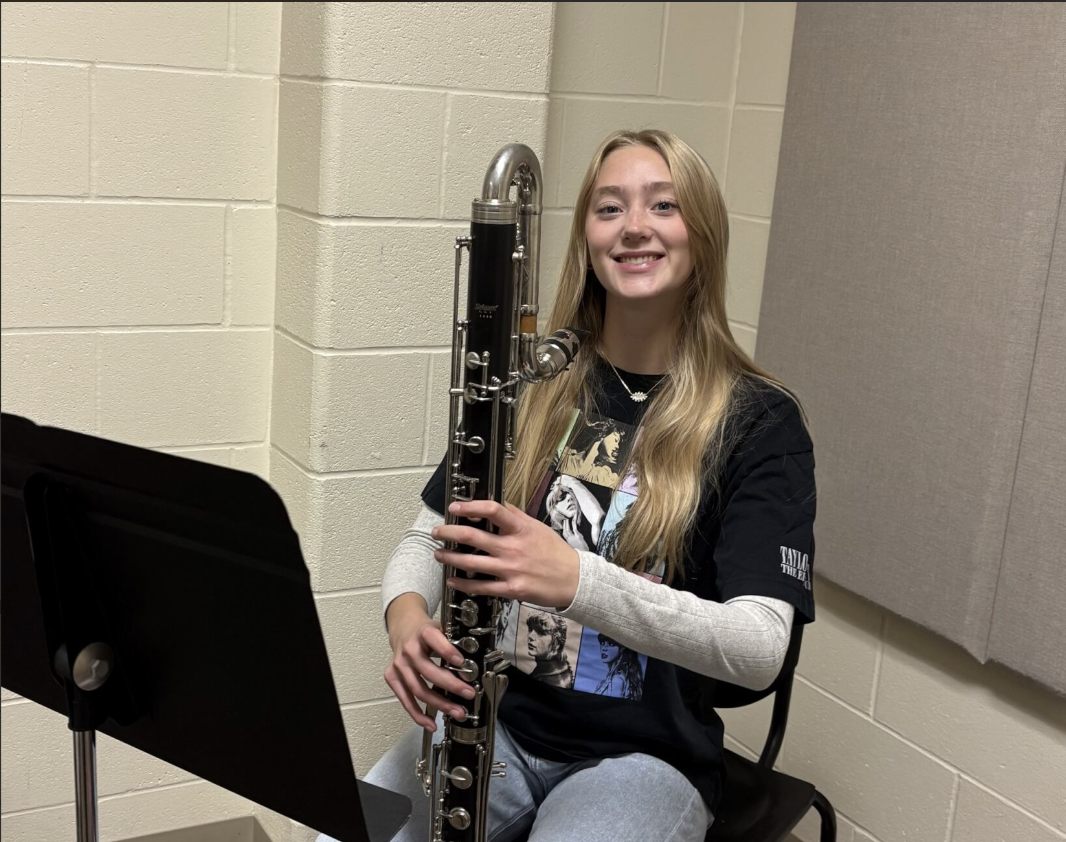
Another oddity of an instrument is the alto clarinet. It has a lower range than a standard clarinet, and it is pitched in the musical key of E Flat compared to a standard clarinet’s B Flat key. The alto clarinet appears in many wind band arrangements from the mid-1900s when woodwind manufacturing was at an all-time high.
“There are some pieces that have Eb alto clarinet solos, but it’s very rare, a lot of the time it is just copy and paste with a lot of other instrument parts,” woodwind director Nico Johnson said.
The alto clarinet is not Johnson’s favorite instrument. Visually, it looks like a smaller version of the Bb bass clarinet, which is much more common in both concert and marching band.
“Alto clarinet would have more of the tone quality of a bass clarinet, but it has the pitch range of a tenor saxophone. It has the same key system as a bass clarinet,” Johnson says.
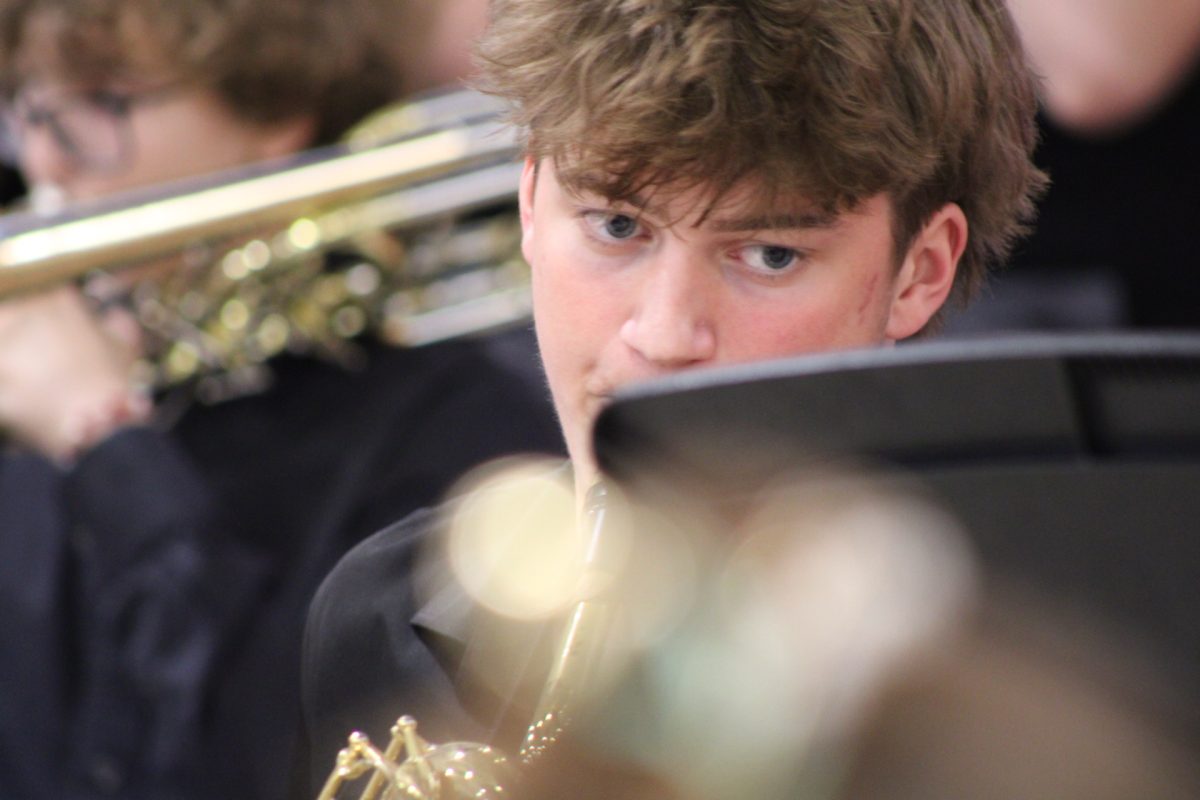
While not as common as the alto clarinet or piccolo in concert, the Soprano Saxophone has developed a prominent voice. In the Fishers Wind Ensemble contest piece ‘Jacob’s Ladder to a Crescent,’ a soprano saxophone covered an English horn solo. It is pitched in Bb, resembling the shape of a clarinet, with the same key system as a saxophone. It plays higher than the well-known Eb Alto saxophone.
“It surprisingly difficult to play well, even though I’ve played it for about a year, sometimes I struggle to make a good sound,” junior Colin Gardner said.
Gardner first picked up soprano in saxophone choir, which competes at the state level in Indiana State School Music Association (ISSMA)’s solo and ensemble program. Auxiliary instruments are most seen in these smaller, instrument-specific groups. The saxophone choir is comprised solely of saxophones, for instance.
“One of my favorite parts about the instrument is its ability to play out when you need to and its distinctive sound,” Gardner said, “there are uses of the instrument that are required in some pieces to add a certain color to the sound.”
At Fishers High School, the band program owns many of these auxiliary instruments for advanced band students to play. These instruments not only exist for curiosity but reflect on the growth of full wind band when instrument production and invention were at an all-time high.