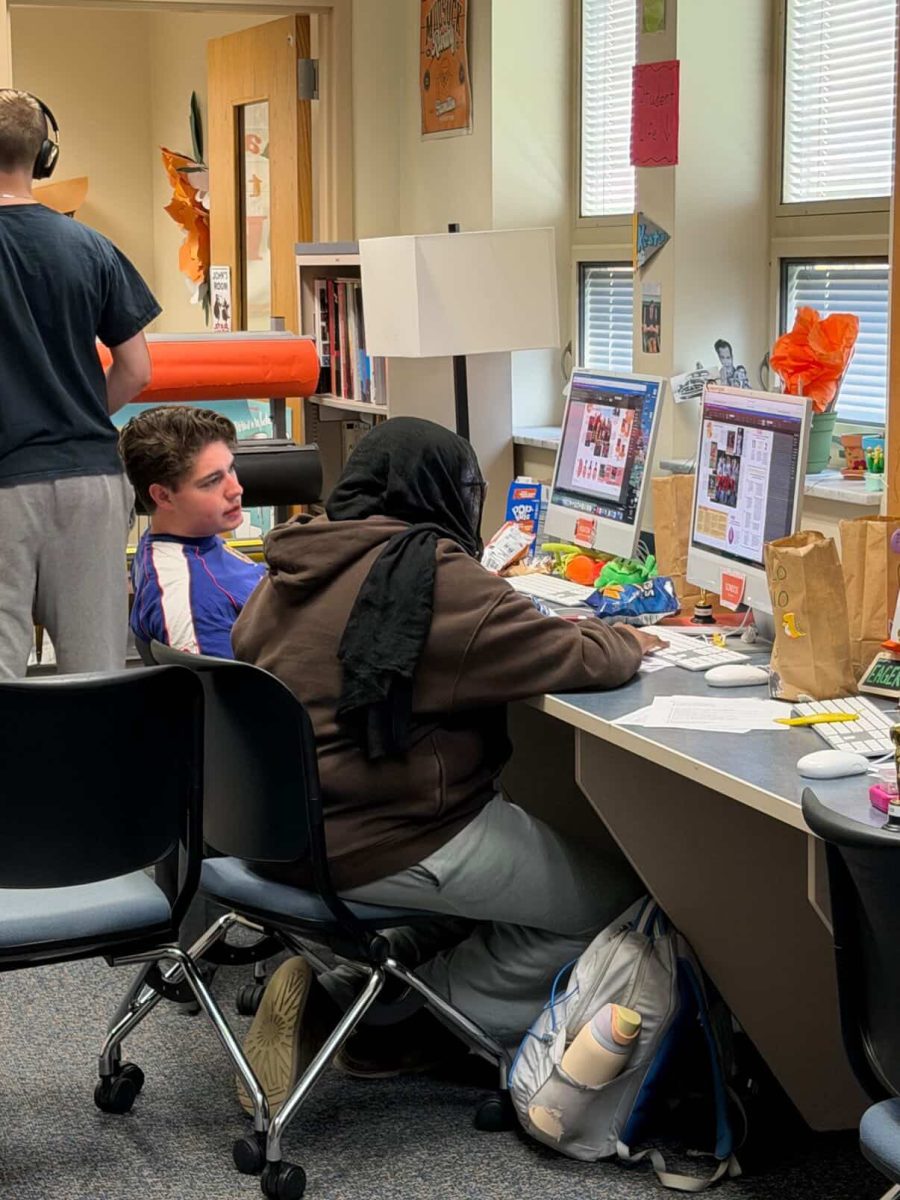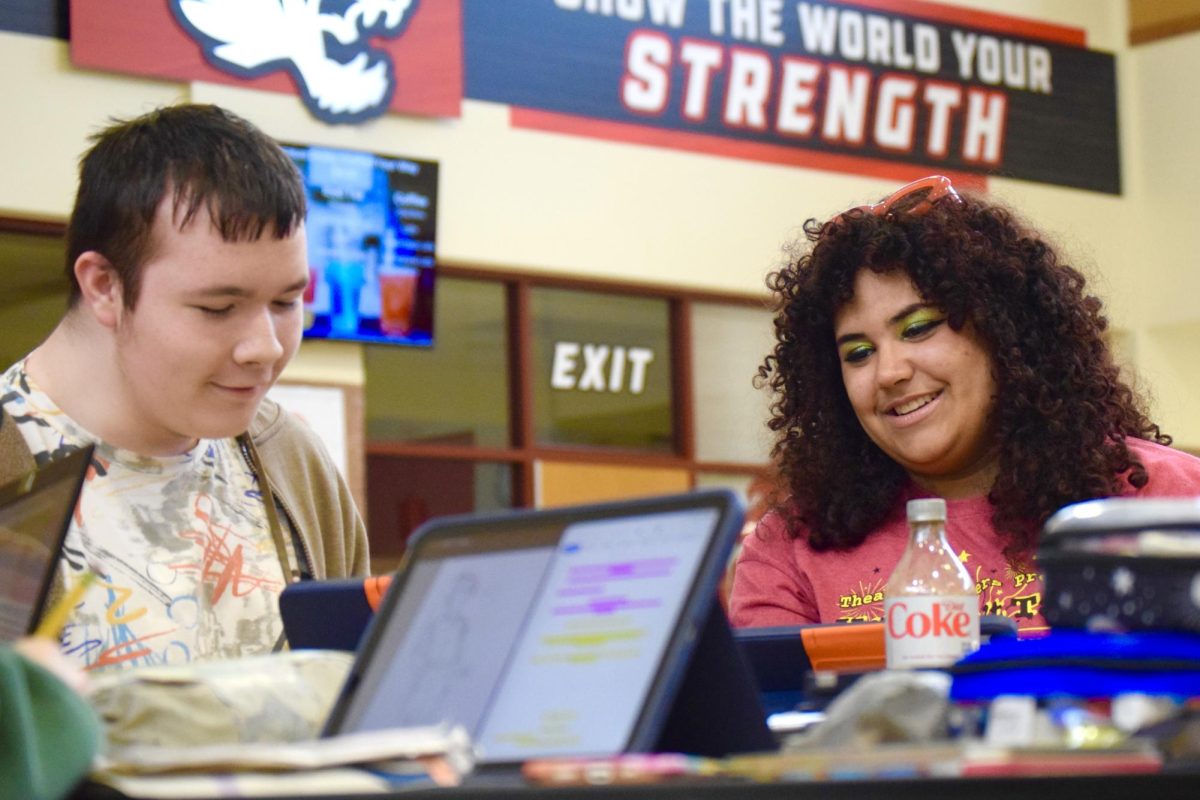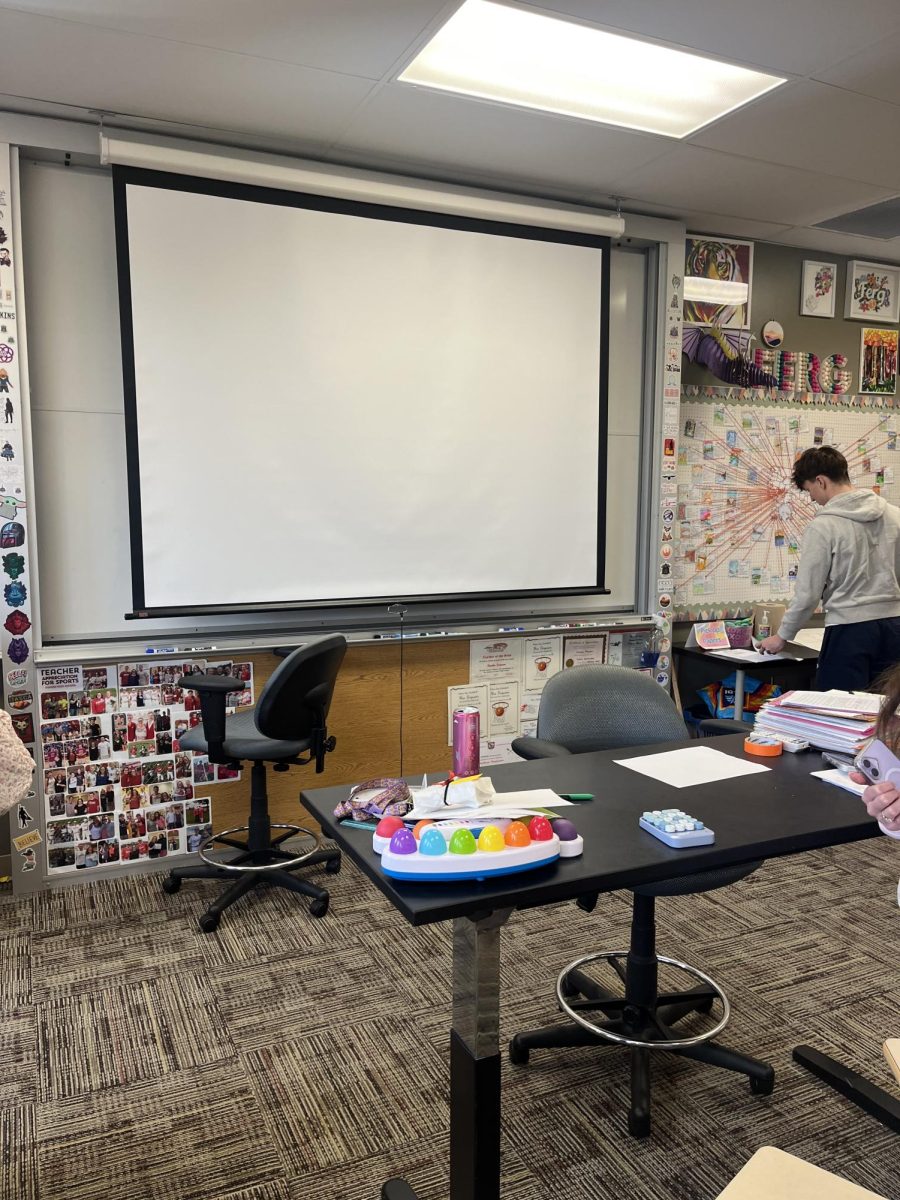
At Fishers High School, many different types of classes are offered for students to take. A common class taken by juniors specifically is AP Environmental Science, otherwise known as APES. APES is a class that introduces students to what is happening in the outside world and beyond the classroom. It shows them the deeper meaning behind how the world works. At FHS, Heather Ferguson, also known as “Ferg”, teaches the class. She also teaches genetics and biology.
This class involves learning how the world works by doing labs, different varieties of assignments, and complex tests. Some labs the students have done are speed dating, cookie mining, walk for water, and battle royale. Speed dating was an activity where the students acted like energy sources and speed “dated”. Cookie mining consisted of “mining” for chocolate chips to see the environmental damage that happens when mining occurs. Walk for water was when they read an article about a little girl who walked on water. The students walked around the school to immerse themselves in that situation. They had to carry buckets of water and hopefully not spill it, which many did anyway. Lastly, Battle Royale was when they made an energy source villain or hero, and they did a huge “battle” in class. Ferguson describes her class as collaborative and a way to expand the students’ knowledge.
“This class is engaging, hands-on, and designed to challenge students and to think deeply about the world around them,” Ferguson said.
Since the tests are more difficult and require a lot of thinking, Ferguson does review days before the actual day of the test. These are usually held during Targeted Instruction (TI) on silver days. Ferguson does the most she can for the students during this period.
“I offer review guides and review sessions during TI where we play review games and practice the concepts of the test,” Ferguson said.
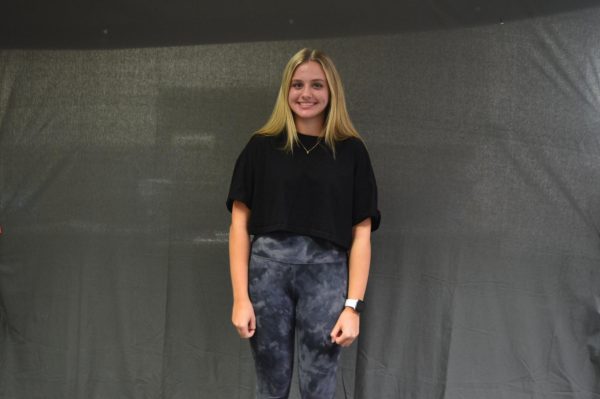
For the students, this can be a stressful and very busy class. They have to learn balance with their other classes, as well as extra activities outside of school. Junior Lilly Thoman says she tries to balance it the best she can by doing certain things to keep herself on track.
“I try to prioritize this class over some of my other APs,” Thoman said. “Once you get the homework done, you’re set.”
Other APES student, junior Sydney Huser, explained what tests usually look like, including the details of what material appears. The units for APES are typically two to four weeks long, with assessments occurring at the end of those weeks.
“The tests usually have about eight FRQs and then could range to either sixty or ninety multiple-choice questions,” Huser said.
Even though this class may bring stress to the students, both Huser and Thoman said that they would recommend this class to incoming juniors. Huser said that it’s good to understand what is occurring outside and around the world.
“It’s very important to know what environmental challenges we are facing in the world currently,” Huser said. “You learn a lot of important information.”
Thoman said that the class gives you a chance to work with peers. She also says the class is always lively and never has a quiet moment.
“It’s super fun and you’re always collaborating,” Thoman says. “There’s never a dull moment.”
As a teacher, Ferguson recommends the class to students because it can improve them as a person. They better their knowledge about the world around them.
“I always tell students that this class makes them a better person because they understand what is happening in the world around them,” Ferguson said. “It gives them knowledge that goes far beyond the classroom.”