In 1898, there were filmmakers interested in offsetting the stereotypes that society held about people of color. The film ‘Something Good’ showed a well-dressed African American couple exchanging a kiss, trying to observe true love. This film was lost until 2017, when it was given to the National Film Archive by Dino Everett.
Many films such as ‘Something Good’ made by or featuring African Americans have been lost over time. Dr. Phyllis Klotman decided to create the Black Film Center and Archive (BFCA) in 1981, helping to restore works with Black actors and artists.
However, the archive is much more than just something to help restore works of art.
“We are a reparative archive or a remedial archive,” archivist Dan Hassoun explained. “Black cinema is cinema; it would be impossible to write a chronicle of film history or to have a nuanced understanding of film without having surviving works of Black artists and works with Black actors.”
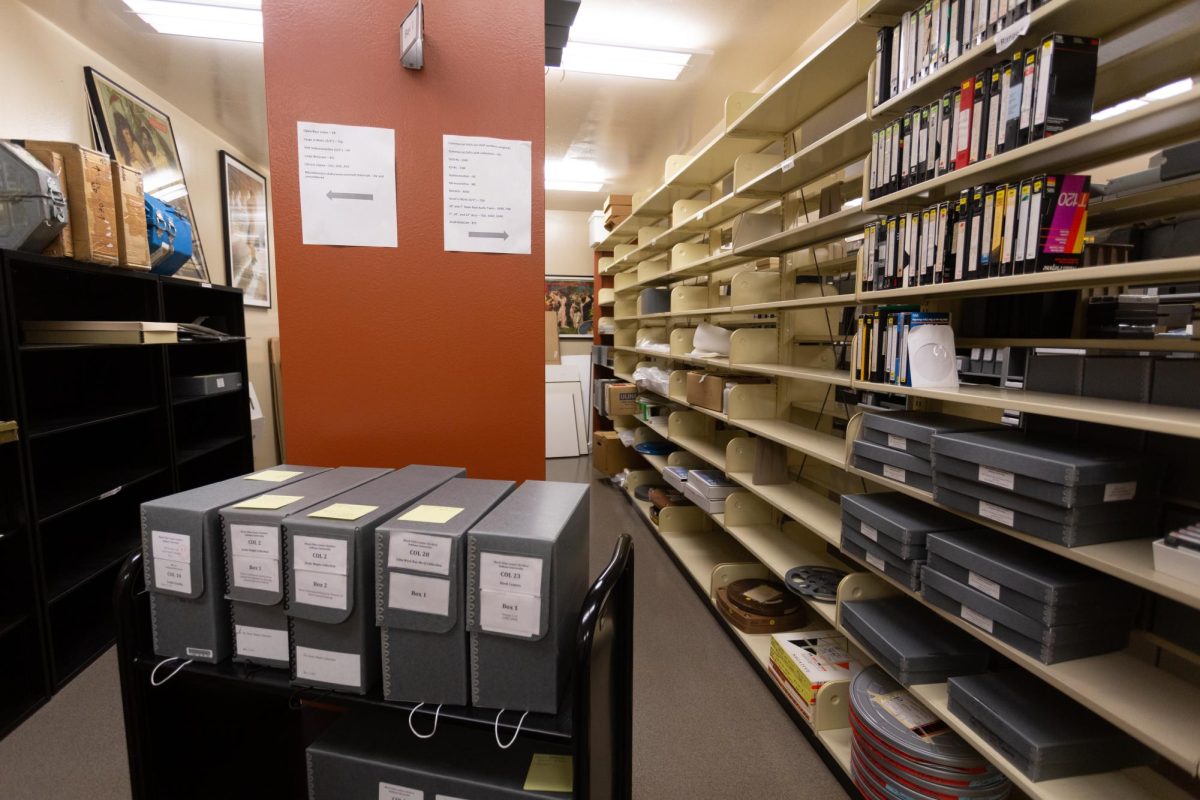
The BFCA collects everything from short films to bigger Hollywood films, even uploading most of what they collect so that others can have access to this important history, but the biggest worry for the BFCA is time.
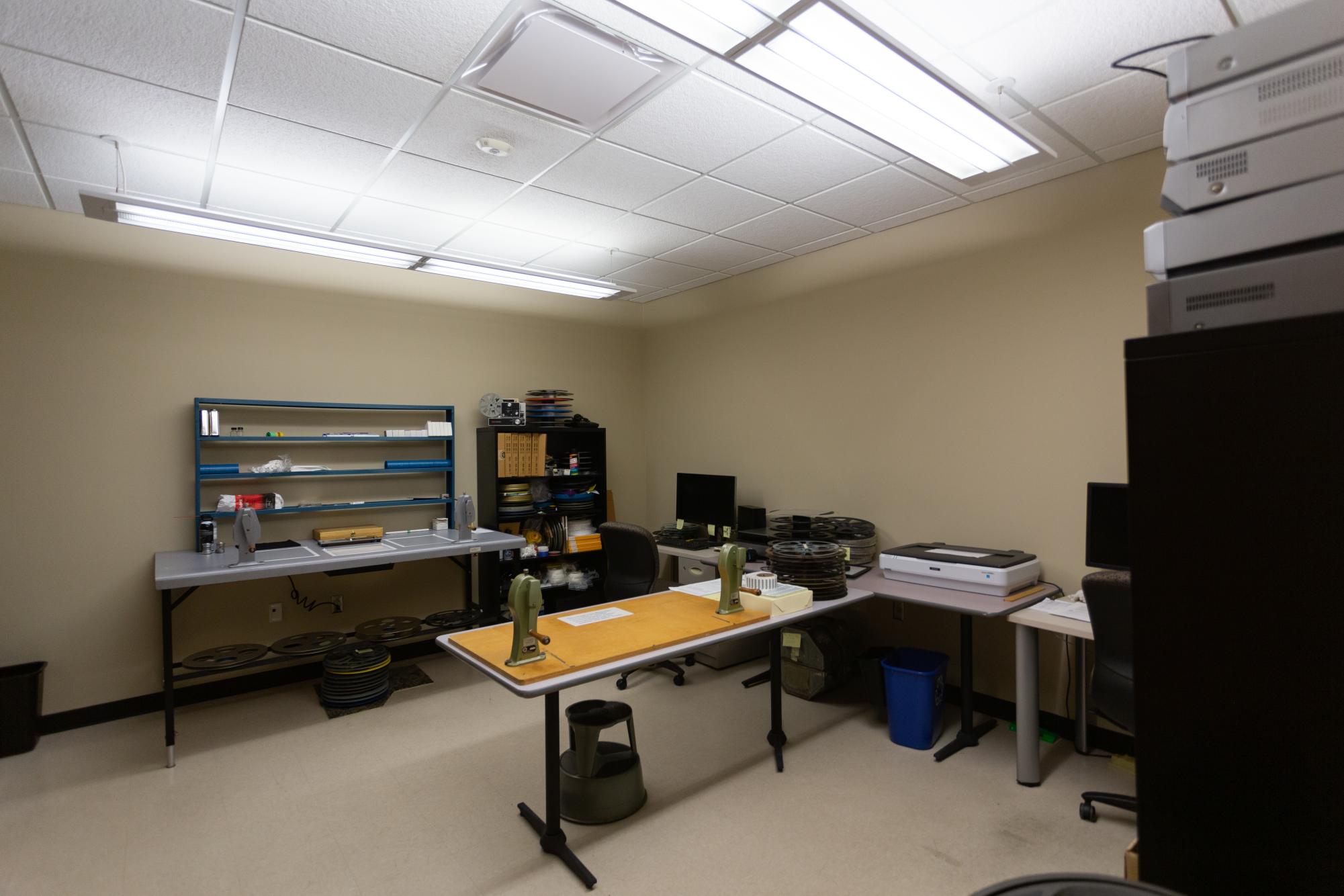
“It’s those smaller productions, often made by marginalized filmmakers, that really fall through the cracks and really become lost to time unless there is an entity like us that is actively collecting, storing, preserving and restoring these kinds of films, they are lost to time because technology has become obsolete, films decay,” Hassoun continued. “You’d be surprised at how common it is for filmmakers to not even have access to their own work from even a few years ago and we’re talking about films made by Black artists, it’s even more dire oftentimes.”
Over time, there have been many cases of marginalized directors who were forced to see a different vision of their art. One famous case was Julie Dash, who directed ‘Daughters of the Dust’ but could not get proper distribution until years later. Sometimes it is not just a filmmaker or an actor facing this problem; sometimes entire studios lose their work.
“We’re coming up on the centennial of a 1926 film called ‘The Flying Ace’, which is the only surviving film from Norman Studios, which was an all-Black kind of race film production company from the 1920s,” he said. “The Flying Ace is the only film from the studio that survives in its entirety, and this is the 100th anniversary of its release. I think it was released on Nov. 4, 1926. We’re hoping sometime late October or early November to have a screening of ‘The Flying Ace’, potentially with live musical accompaniment, and have a panel of scholars to talk about it afterward and put it in historical context.”
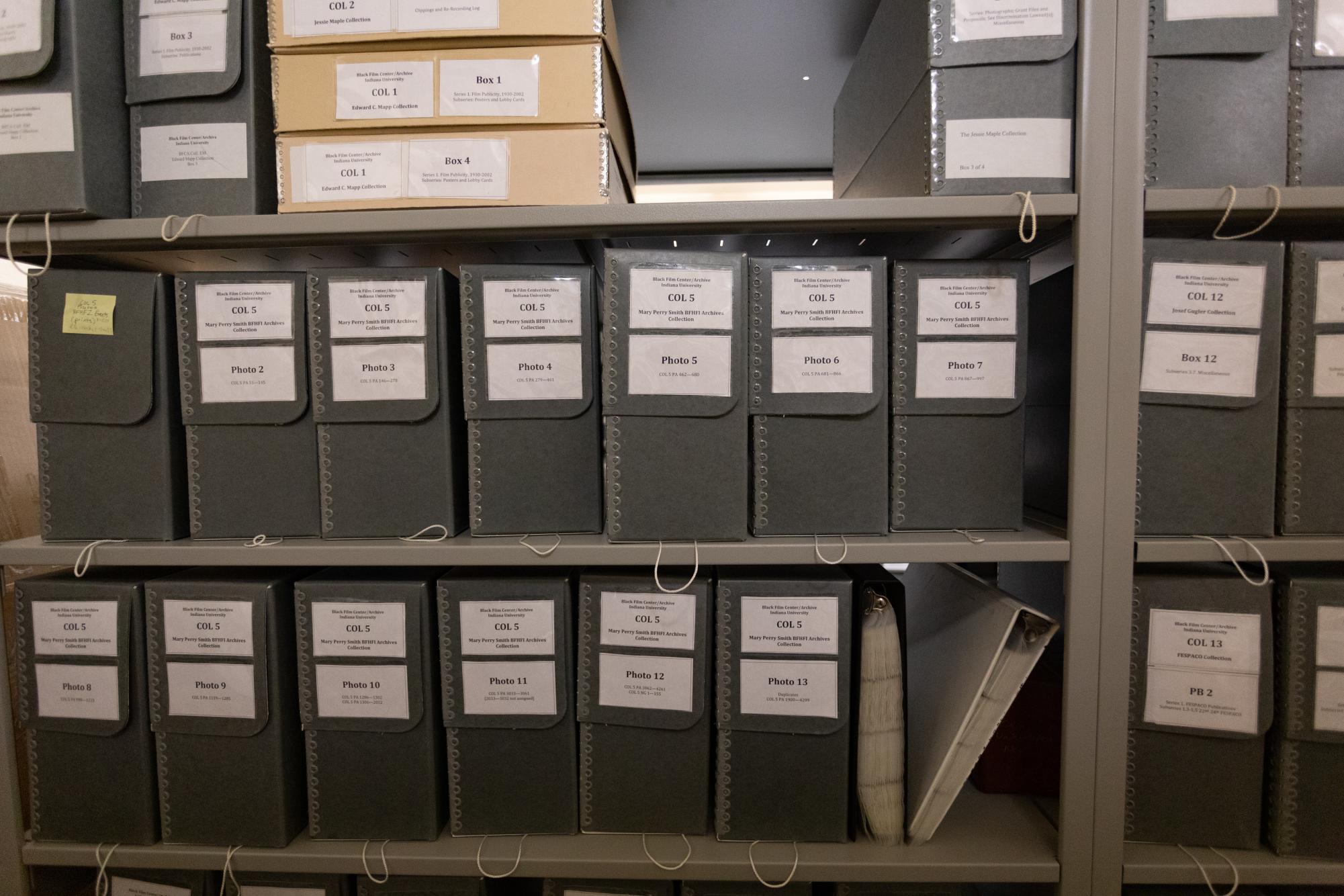
Though the BFCA is centered on African American cinema, there is a problem that Hassoun wished more people reflected on.
“Never take the media that you watch for granted,” he said. “I think we tend to assume accessibility for all the things that we watch, and accessibility is never guaranteed. Anytime that you are watching any sort of movie or TV show [it] is because a lot of people and a lot of entities put a lot of time, money and resources into making sure that that movie was available, that it survived time and that it’s eventually on streaming or on DVD. Reflect on how you actually access the materials you watch and how fragile those systems often are. It’s not necessarily guaranteed that the media that you love today will be accessible to you even in a few decades. If you have materials that are at risk of being lost, maybe think of an archive that might be able to help you save them. There are archives all over the place that are always looking for materials.”