PJ Collins is a senior and a reporter for the Fishers Tiger Times. Her views do not necessarily reflect those of the newspaper.
This school year I found myself walking on eggshells when determining what could be published. I adhere to journalistic standards and ethics when writing stories yet have run into a plethora of roadblocks trying to get my work published under the school paper.
The Supreme Court of the United States ruled student speech in a school newspaper is subject to censorship by school officials without being a violation of First Amendment rights in Hazelwood V. Kuhlmeier. A school may determine, for any reason they consider educationally beneficial, that censorship is necessary. I disagree with this ruling and the utilization of the power it provides.
A student press exists to ensure that students can learn and write as actual journalists with real standards. If the already restricted abilities provided by the First Amendment can be censored by some arbitrary standard, it undermines all reporting since it lacks detailed restrictions.
This is further emphasized by the Student Press Law Center (SPLC) stating “the vague legal standard that resulted from the Hazelwood decision makes this one of the most significant losses for students’ rights to free speech and expression.”
There are many notable problems that arise with vague wording. For example, a student could attempt to publish relevant information that is newsworthy and important following all press guidelines and be halted from publishing. The powers extended to school faculty allow for an easy abuse of power, halting undesirable publishing.
Undesirable publishing being censored due to restrictions inevitably implies the press is now a public relations outlet. If a principal or assistant principal decides, they may request an omission of relevant information or alter stories in other ways. The story is subject to the power of those above the newspaper.
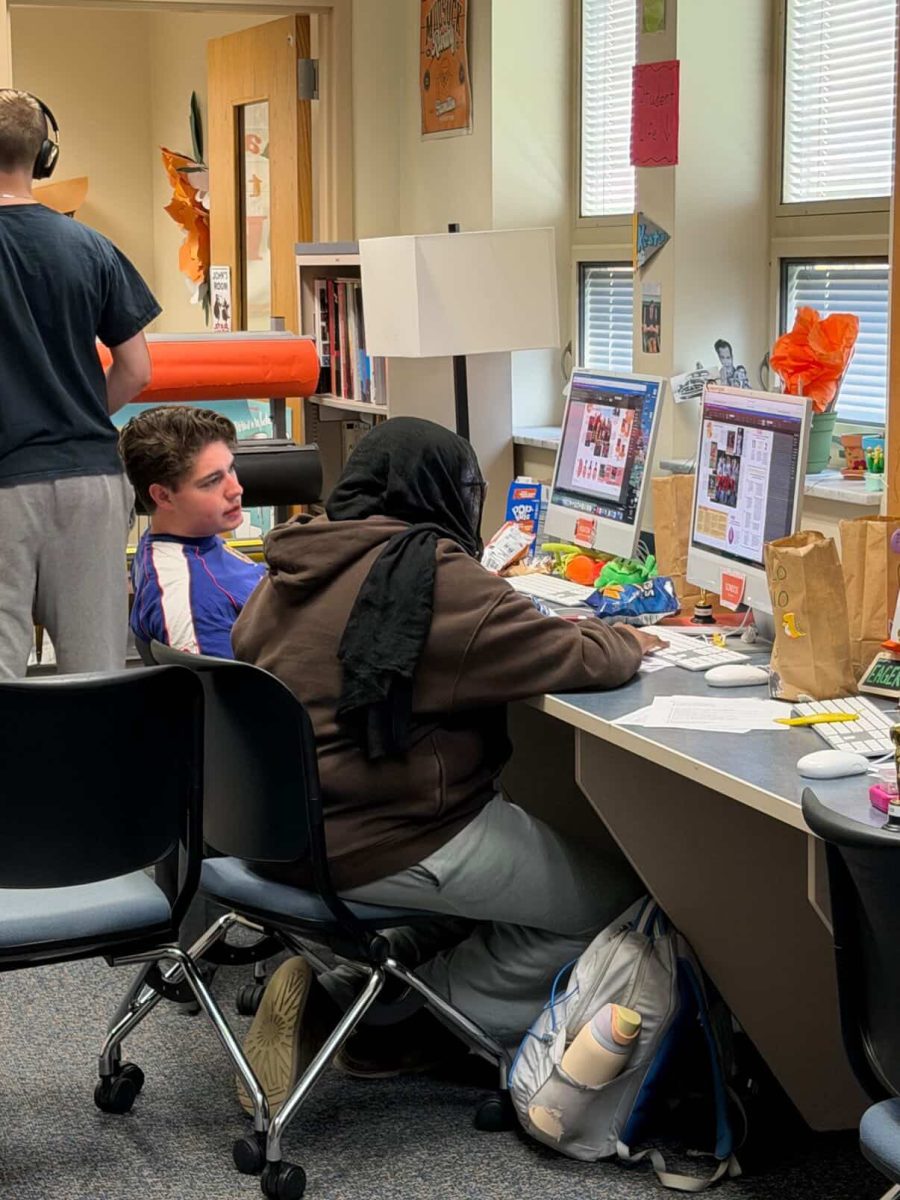
This publishing structure creates an additional and unnecessary power dynamic. At most publications and the Tiger Times, a story begins with a pitch, which is heard by other journalists and editors. This pitch is adjusted and improved to fit a proper story before writing. In that time, an angle is cemented and important facts and needed sources are specified. A schedule is set, and information gathering begins.
Then, the journalist obtains interviews through a streamlined process with question and recording standards. After all information and photos are gathered, the writing begins. When the writing is completed and up to standards, the work is edited three times. Lastly, a senior editor posts the story. The entire process has natural checks and balances for meeting journalistic standards.
The idea behind the ruling of Hazelwood v. Kuhlmeier is inconsistent with the systems that already exist. If a publication follows the journalistic process, there is no valid reason to censor the publication.
Unfortunately, simply writing a proper story is not the reality of modern publishing in schools. I personally have experience with not only the fear of writing about relevant nuanced topics but also facing censorship by the school. This school year I attempted to cover a club for a story and wrote according to journalistic standards. My coverage ended with my attendance of two separate trips to different administrative offices, contesting completely different aspects of my publishing. I advocated for my coverage for about four hours in total.
The reasoning from administrators altered between my visits, and the story was scraped entirely. The administrators, surprisingly, praised my coverage and adherence to the journalistic process. I wish I could discuss what occurred specifically, though I would likely run into issues with administrators. This story has been self-censored for that reason.
Student press is not free—the reporting is subject to the feelings of those above the publication. As a result, there is no guarantee that journalists who follow all standards will be published. Different schools may even have different levels of involvement in publishing oversight. One can only hope that former press rights could be returned to students in a not-to-distant future. Hopefully the Hazelwood V. Kuhlmeier ruling is overturned, and student press will not be subjugated to vague wording and unnecessary administrative objection.