A nation dismantled
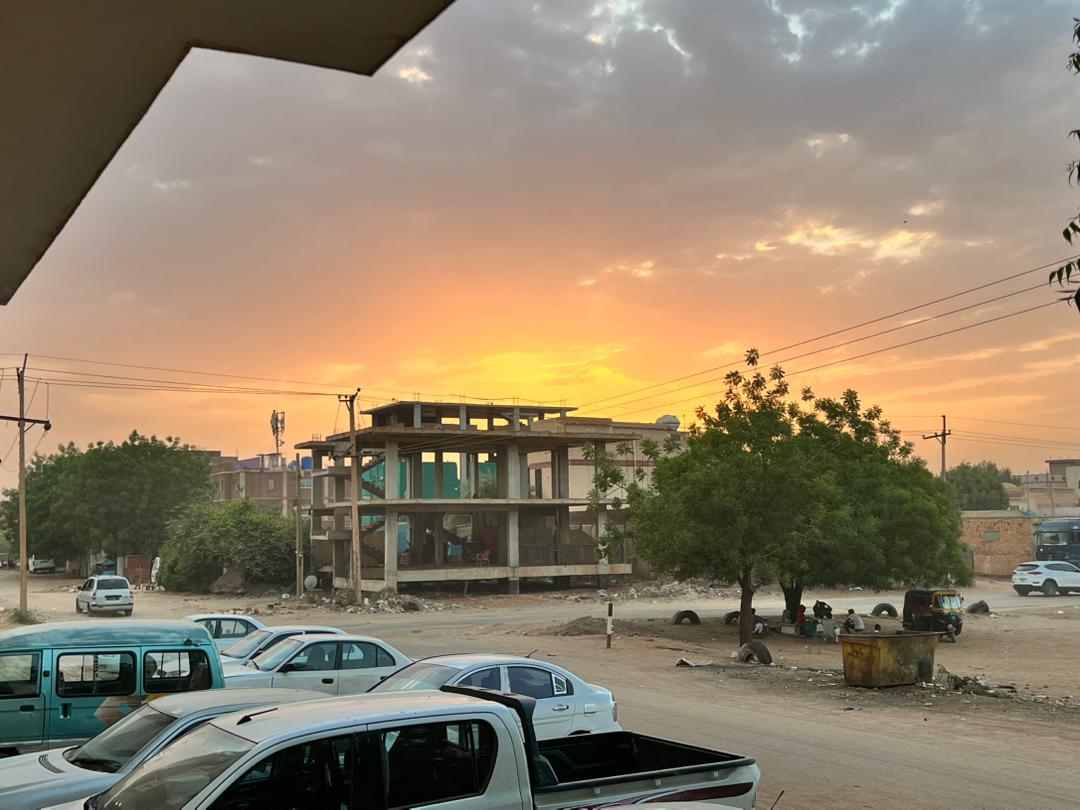
On the morning of April 15, 2023, the streets of Khartoum transformed from a bustling capital into a battlefield. What was initially dismissed by some as a temporary clash between two rival generals, al-Burhan and Dagalo, has, three years later, devolved into the most severe humanitarian catastrophe on the planet, according to International Rescue Committee. As Sudan enters its third year of conflict in 2026, the nation is not just fractured, it is being systematically dismantled.
The architect of a tragedy
The war is a relentless power struggle between the Sudanese Armed Forces (SAF), led by General Abdel Fattah al-Burhan, and the Rapid Support Forces (RSF), commanded by Mohamed Hamdan Dagalo (Hemedti).
There is a significant divide between the military’s stated objectives and the public’s perception of the conflict’s impact on the country.
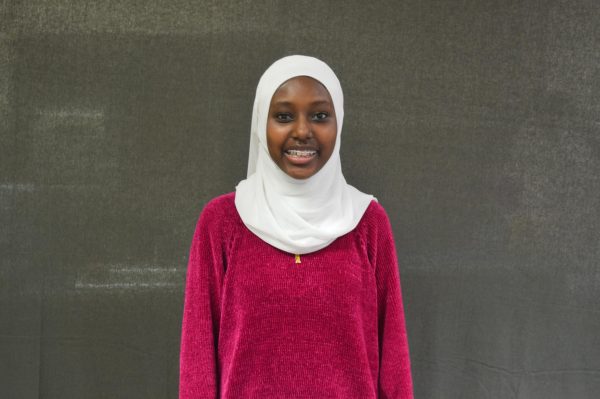
“My opinion on the Sudan conflict is to reduce the war to that it is just a personal struggle for power between the generals,” sophomore Sara Ali said.
This “personal struggle” according to Ali has claimed the lives of an estimated 150,000 people, though the true toll is likely much higher due to the total collapse of the country’s communication and medical infrastructure, according to Health Policy Watch.
A global shield: The role of external powers
Sudan is not fighting this war alone; it is being fueled by international interests. Investigative reports from the UN and Human Rights Watch have repeatedly identified the United Arab Emirates (UAE) as a primary benefactor of the RSF, allegedly providing the drones and ammunition that have allowed the paramilitary group to seize much of western Sudan. Israel, too, has faced scrutiny for its pre-war security ties with both leaders, ties that critics say emboldened the generals to choose violence over democratic transition.
Freshman Jude Abdullah voices the frustration felt by many in the diaspora.
“I would describe it as inhumane,” Abdullah said. “I mean how can you just kill thousands of people and go to sleep that night, knowing how many families you broke, kids who will never see their parents again and parents living in fear with their children. How can a Muslim country be funding a human crisis that is happening in another Muslim country, it just doesn’t make sense.”
The shadow of genocide in Darfur
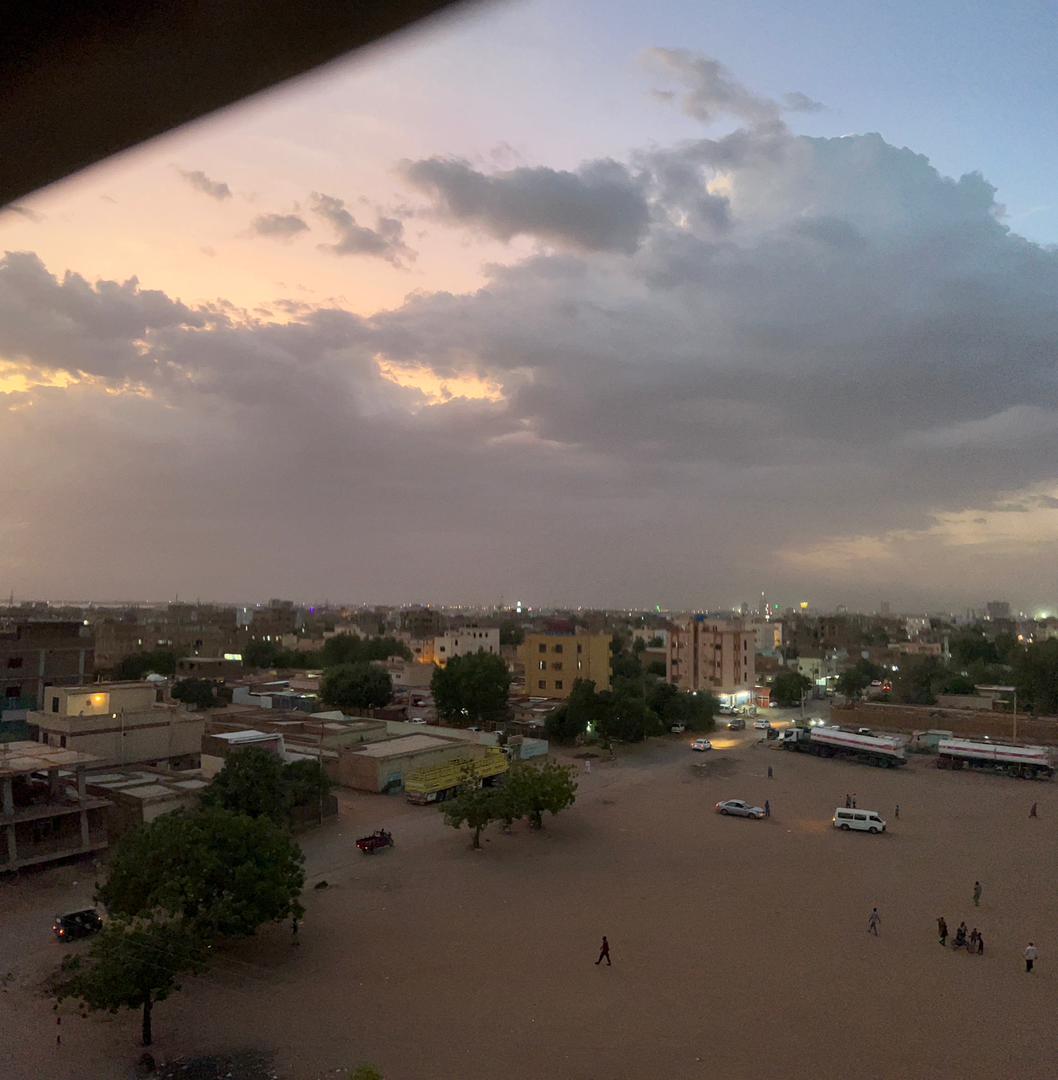
The concerning reports come from the Darfur region, where the RSF and allied militias have been accused of systematic ethnic cleansing. In the city of El Fasher, which fell after an 18-month siege, the UN has documented “hallmarks of genocide.” Civilians have been fatally shot in streets and entire communities–specifically the Masalit, Zaghawa and Fur tribes–have been targeted for extermination.
For women and girls, the war has been one of “systematic brutality”, according to Doctors Without Borders (MSF), as it describes rape and sexual violence being used as a weapon of war by the RSF to humiliate and displace communities. As of 2026, over 17 million women and girls are in desperate need of aid, facing the dual threats of violence and starvation, according to UN Women.
Hunger as a weapon
According to UN News, Sudan is currently the epicenter of the global hunger crisis. Over 28 million people are acutely food insecure. In parts of North Darfur and South Kordofan, famine is no longer a threat; it is a reality. Families have been reduced to boiling leaves and eating animal feed to survive.
“The biggest misconception is that they don’t realize how big of an issue this is,” Abdullah said. “Millions are displaced, hurt and suffering. This is one of the biggest human crises there is going on right now.”
The education system has similarly vanished.
“I feel very sad that they destroyed this page [of our lives] and there is no university or open school,” Ali said.
With 80% of hospitals closed and schools serving as makeshift shelters, the “page” of Sudan’s future is being forcibly torn out.
The resilience of a stolen home
Despite the grim statistics, the Sudanese people hold onto a vision of their country that predates the violence.
“I would want people to remember Sudan as a place where everyone was a community,” Abdullah said. “Every time you imagine Sudan you would see kids running around, families meeting and all you can hear is laughter.”
For Abdullah, the pain is a personal disconnect from a culture and a heritage she never got to fully experience.
“Personally, I’ve only been to Sudan once as a baby,” Abdullah said. “So, the fact that I can’t experience the joys, the memories, where I came from, my culture and religion, truly breaks me.”
For those like junior Hiba Mustafa, the hope is that Sudan will one day be known for its beauty rather than its blood.
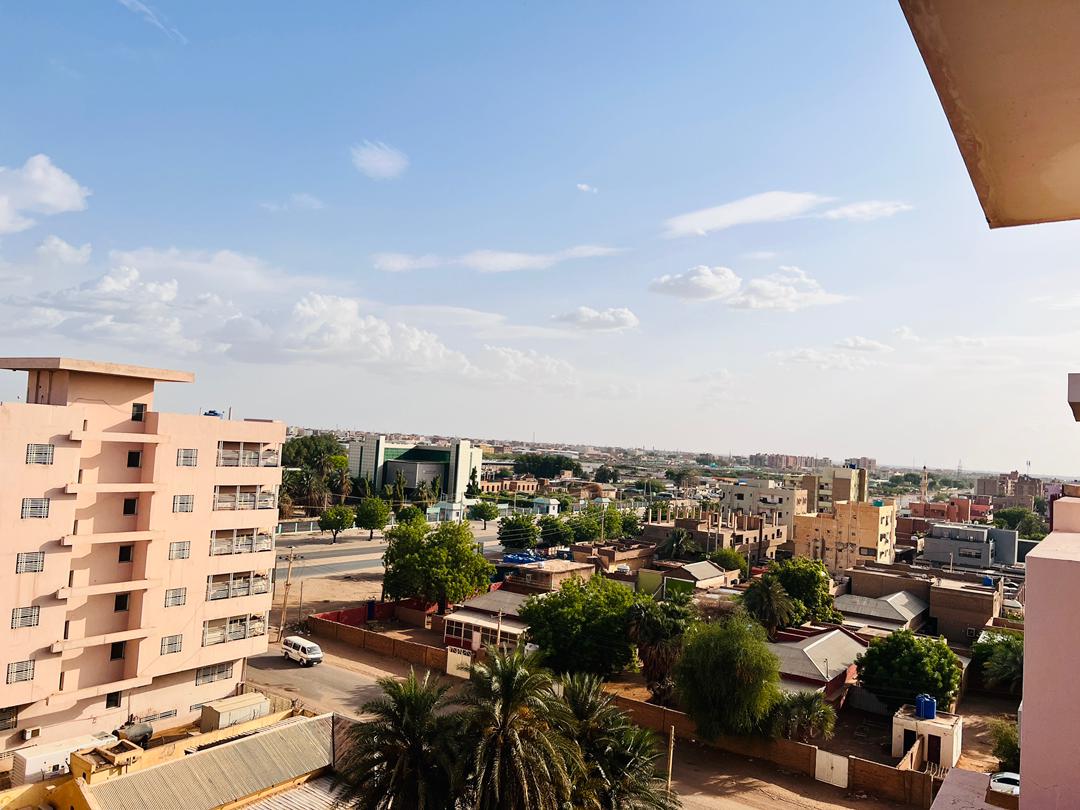
“My great hope for the future … is that the country will be great enough to be among the many countries that people dream of visiting for vacation,” Mustafa said.
The path forward
To reach that future, violence must stop, and accountability must begin. Sara Ali outlines a rigorous path for the “New Sudan.”
“Building a new Sudan, promising displaced people and refugees reconstruction, democratic transition and establishing transitional justice,” Ali said.
As Sudan’s war enters its third year, the world faces a choice: to continue treating it as an “abandoned crisis” or to finally intervene in a genocide that is happening in plain sight. For the millions of children still running through the dust of displacement camps, the answer cannot wait another year.