Madeleine Davis is a senior and a reporter for the Fishers Tiger Times. Her views do not necessarily reflect those of the newspaper.
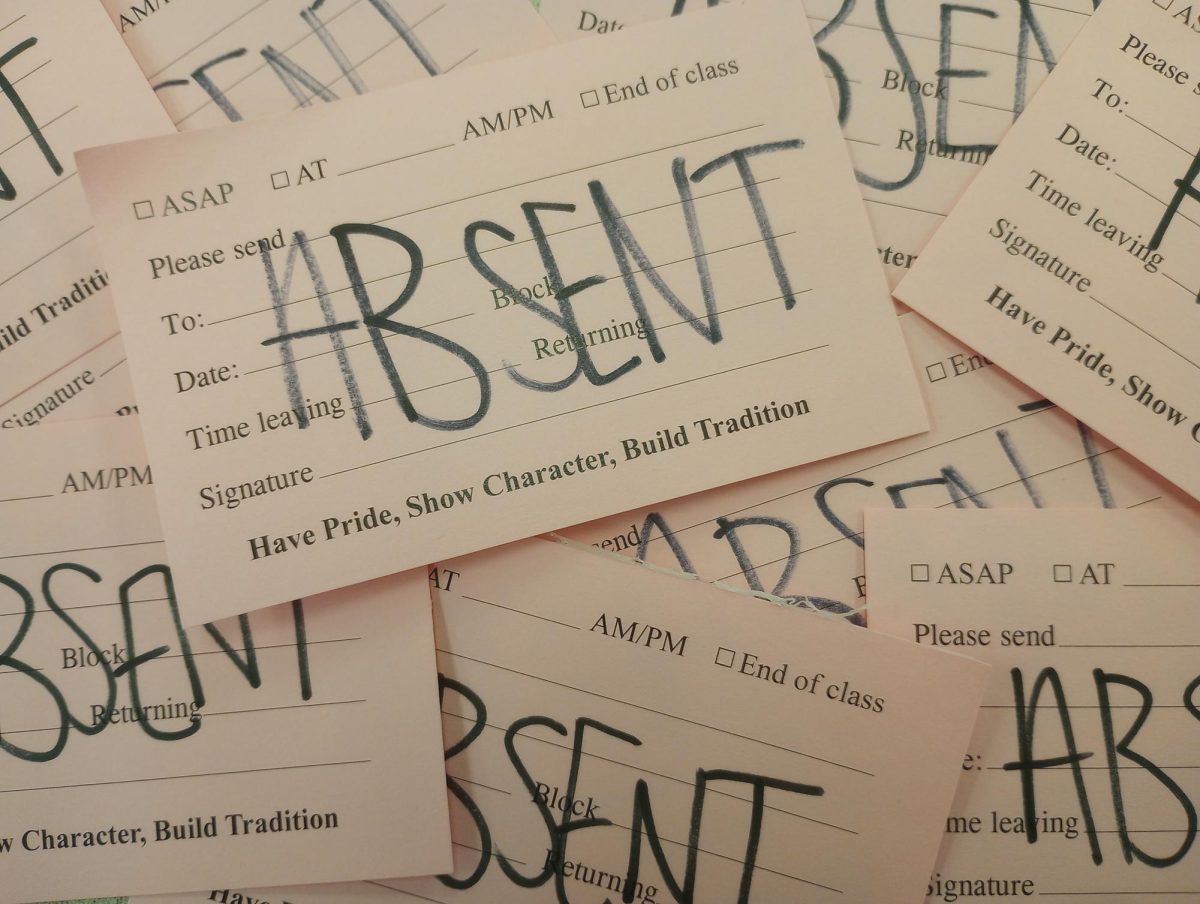
As someone who currently deals with undiagnosed medical issues, I have a lot of doctor appointments. This means I miss a lot of school. As both excused and unexcused absences pile up, and the stress of it increases, one thought has increasingly shoots through my brain. There has to be a better way to do this.
After ten days of excused or unexcused absences, possible consequences for truancy at FHS may include, but are not limited to, after-school detention, in-school suspension, or temporary prohibition of extracurricular activity participation.
This policy benefits most of the students at FHS, who do not usually exceed ten days of absence, and prevents truancy, which has been proven to lead to higher rates of high school dropouts, lower literacy rates, and even an increase in juvenile crime. However, there is an exception to every rule, and students with chronic illness are the very notable exception to this rule.
According to the U.S. Department of Education, students with disabilities are 36% more likely to experience chronic absenteeism, characterized by missing more than 10% of the school year, or roughly 18 days of school. This is due to doctor appointments, symptom flare-ups, and even hospitalization. To ask students dealing with these difficult experiences to subject themselves to the strenuous mental and physical activity that high school requires, all while keeping a cheery, sociable face, achieves the exact opposite of what administrators are striving for: an unfocused brain with a dislike for school.
One-third of children with chronic illness experience medical complications serious enough to disrupt school functioning, according to a study published in the National Library of Medicine researching the quality of life in children with chronic illness, correlated with school attendance. For students with disabilities or chronic illness, having to choose between their livelihood and academic success is a frustrating and unfair experience that feels like a loss either way. In my experience, students suffering from chronic illness don’t want to miss school just as much as administrators don’t want us to, either. So what can the district do?
Steps are already being taken to be more inclusive and understanding in classrooms, especially after COVID put us all in lockdown. Since then, teachers have started posting daily agendas and assignments on Canvas, which really helps students that are forced to stay at home on symptom flare-up days. It also makes it a lot easier to transition back into school after staying home, when you can be caught up before even entering the school again. At FHS, Targeted Instruction (TI) also helps students with chronic illness to catch up on any in-class instruction they might have missed at home. It also allows students to stay on pace with the rest of the class, without feeling as if they’re constantly running behind or placing an unwanted spotlight on themselves because of consistent absences.
Another solution is to implement attendance exceptions to students with 504 plans or individualized education programs (IEPs), on the condition they completed their work online at home. For many students with chronic illness, it’s easier to complete schoolwork at home, where they have specialized tools to help them with symptom relief and they can rest whenever it’s needed. It would also decrease the stress of having to stay at home and allow for better rest, so students can get back to school in a more timely manner.
When talking about attendance in regard to students with chronic illness, it’s important to remember that there is no cut-and-dry solution that accommodates all parties. Compromise and grace are necessary to facilitate a productive learning environment, as well as a healthy mindset towards work and rest.